
50 Mermaid Facts, Legends & Little Mysteries
There is something about a mermaid that is difficult to explain.
Maybe it is the tail. Maybe it is the sea.
Even it is the idea of having a whole world beneath the water, somewhere we can look at but never quite enter. Or maybe it is simply the feeling a mermaid gives us.
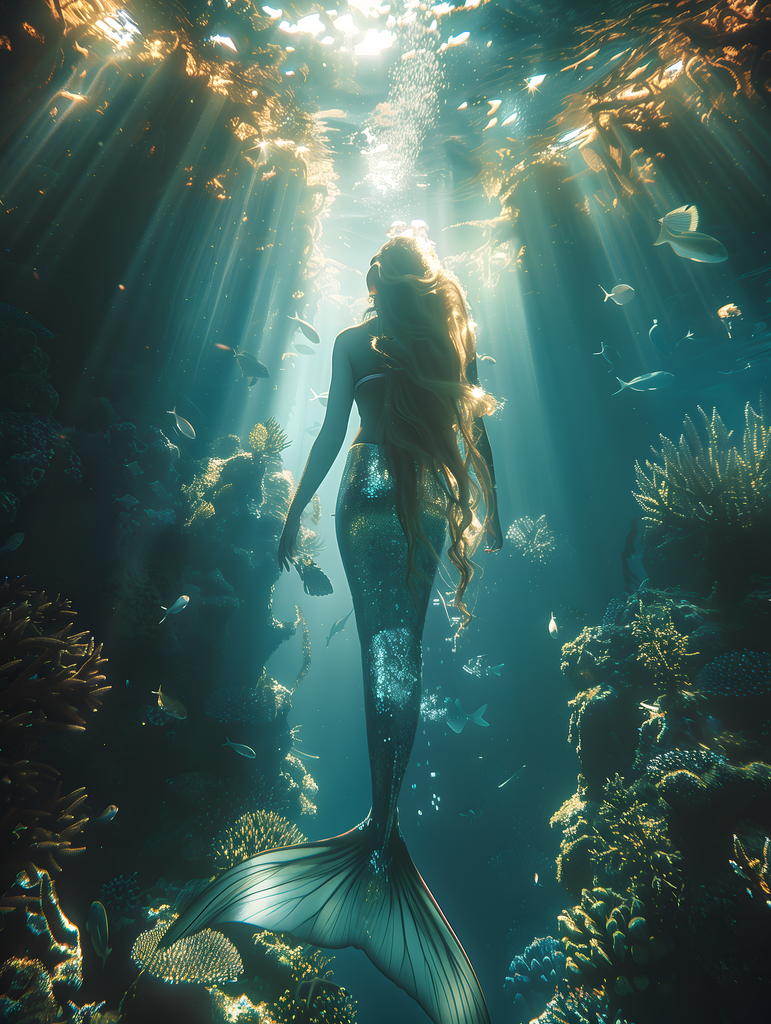
A little mystery. A little beauty. A little escape from ordinary life.
Mermaids have been part of human stories for centuries, but the mermaid we know today is not exactly the same creature people imagined long ago. She has changed with folklore, art, books, movies, fashion, swimming, and our own imagination.
Some of the things you’ll discover here are historical facts. Some belong to old legends. Others explain how the modern mermaid became such a beloved part of popular culture.
And a few are simply little invitations to imagine.
So let’s go beneath the surface.
The Oldest Mermaid Mysteries
1. Mermaids are creatures of mythology
Let’s begin with the obvious one.
Mermaids are mythical beings, when mythology comes ‘we believe and we accept’ without any questions.
We search for scientific evidence whether human being with a fish tail exists or not, but our belief rules out scientific evidence.
Because the energy, vibe, happiness, curiosity takes us to another world beyond science.
Myths can survive for centuries because they tell us something about the people who created and shared them.
2. The familiar mermaid is half human and half fish
The image most of us recognize is wonderfully simple: a human upper body and a fish-like tail.
That combination has become so familiar that a few curved lines and a tail can be enough to tell us, “That’s a mermaid.”
But the history behind that image is far more complicated than the picture suggests.
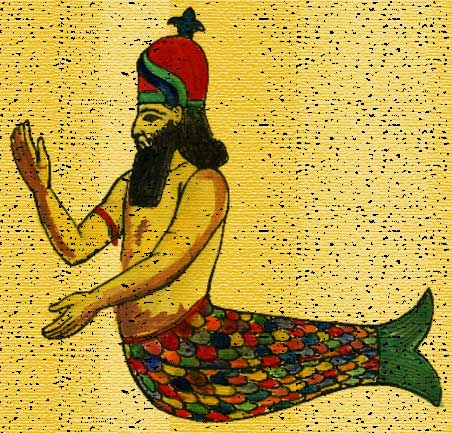
3. One ancient half-fish, half-human figure was Oannes
Long before Ariel, stories were being told about a remarkable being called Oannes.
Oannes appears in accounts of ancient Babylonian tradition as a being associated with the sea, described with both human and fish characteristics. The ancient writer Berossus wrote that Oannes came from the sea and returned to it.
He wasn’t a mermaid in the modern sense.
Still, discovering a half-human, half-fish figure in such an old tradition is pretty remarkable.
4. Oannes was a male figure
Yes this is an interesting ancient fact that oannes tradition talks about male fish-human figure.
So when people say that the mermaid idea has always been about beautiful women with fish tails, but history tells us about oannes in other corner.
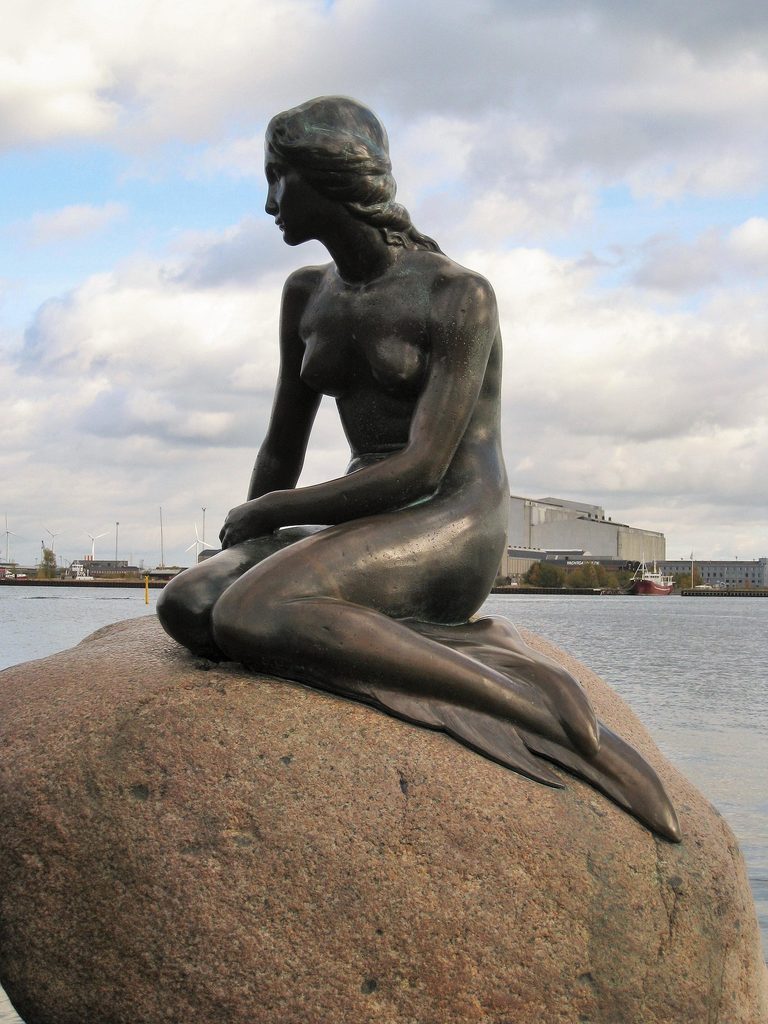
5. Many stories about Mermaids
There were different cultures, and they believe in many water beings, spirits, gods and creatures. Mermaids are one among all of their beliefs.
Ideas travelled as time travelled, it is changed time to time, in our modern times we started to believe in new form of mermaids.
5. There wasn’t one original mermaid story
This may be the most useful thing to remember when exploring mermaid history.There is no single ancient story from which every modern mermaid came.
Different cultures had different water beings, spirits, gods and creatures.
Some were similar to mermaids.Some were nothing like them.Over time, ideas travelled, changed and mixed.
The mermaid we know today is really a collection of many old ideas that eventually became one familiar character.
6. Ancient water beings were not always beautiful
Modern mermaid art tends to give us flowing hair, beautiful faces, elegant tails and shimmering colors. Old water legends could be much less pretty.
Some supernatural beings connected with water were frightening, dangerous or unpredictable.
So the sweet, friendly mermaid decorating a child’s bedroom is only one modern interpretation of a much older idea.
7. The ocean was once almost an unknown world
This is easy to forget today.
We can watch underwater documentaries, look at photographs from the deepest parts of the ocean and follow marine animals with cameras.
People in earlier centuries couldn’t do any of that. For them, the sea held enormous secrets.
What lived below the surface? What happened beyond the horizon? What was hiding in deep water?
Mermaids fit naturally into a world full of unanswered questions.
8. Mermaid stories became closely associated with sailors
Sailors spent months surrounded by an environment that most people on land rarely experienced.
They saw unusual animals, strange weather, distant islands and things that were difficult to identify. Stories travelled with them.
A strange sight could become a tale, and a tale could become folklore. The sea was an excellent place for mermaid stories to grow.
Sirens Are Not Quite What You Think
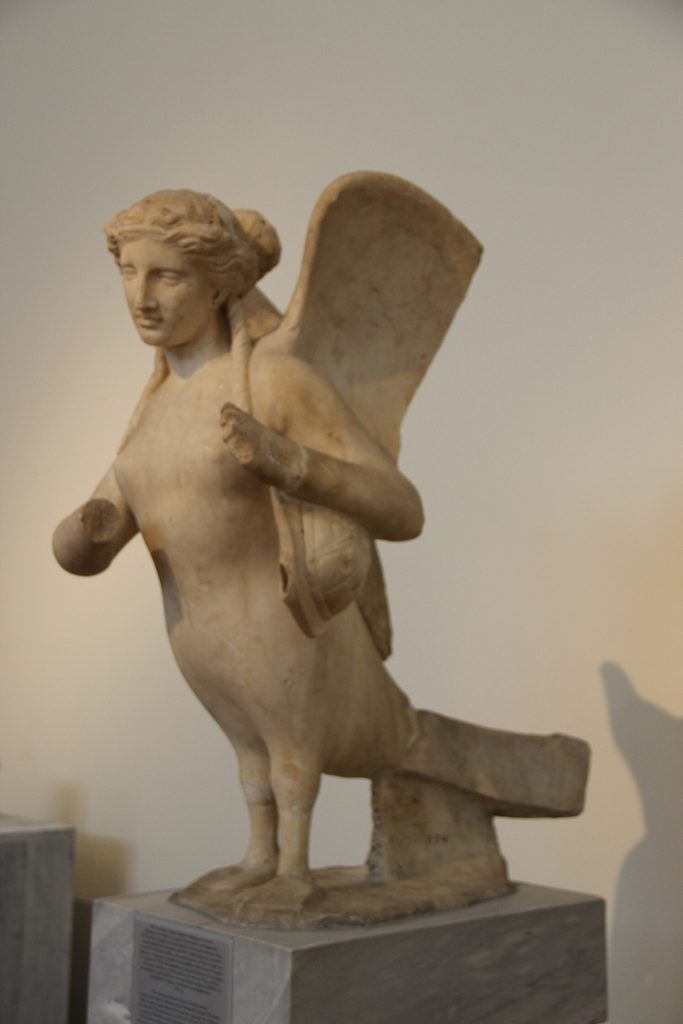
9. Sirens and mermaids were not originally the same thing
Here’s a fact that surprises many people.
The sirens of ancient Greek mythology were not originally the fish-tailed women we commonly picture today.
They were associated with enchanting songs that lured sailors toward danger, and early artistic representations showed them with bird-like features.
Over time, the imagery changed, and sirens became increasingly associated with fish-tailed women.
10. The word “siren” has become connected with mermaids in many languages
The story gets even more interesting.
Variations of the word siren are used to mean mermaid in a number of languages. And there is another surprising connection.
Manatees and dugongs belong to the scientific order Sirenia. A mythical singer, a mermaid and a real marine mammal ended up sharing a linguistic connection.
11. Mermen are part of the mermaid world too
A male mermaid is generally called a merman.
And the broader word merfolk can describe mermaids and mermen together.
Modern fantasy has taken this much further, imagining complete underwater societies rather than one lonely mermaid swimming around the ocean.
12. Water folklore is much bigger than mermaids
If you start exploring mythology, you’ll quickly discover that mermaids are only a small part of the enormous collection of stories humans have created around water.
There are river spirits. Lake creatures.,Sea monsters, Water gods., Underwater kingdoms. Shape-shifting beings.
Some are beautiful. Some are terrifying. The mermaid is simply one of the most recognizable.
When People Thought They Saw Mermaids
13. People have reported seeing mermaids for centuries
There are stories of supposed mermaid sightings from different periods and places. But a reported sighting isn’t the same thing as proof.
Some accounts may have been mistakes. And have grown through retelling. Some may have been deliberate hoaxes.
And some remain simply interesting stories.
That distinction matters.
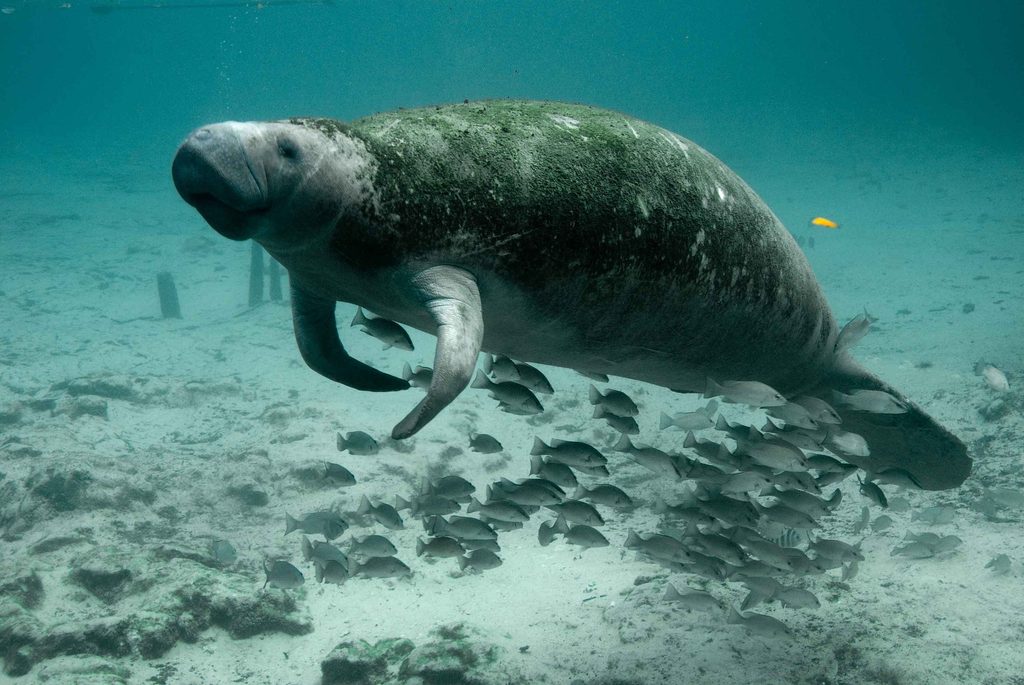
14. Manatees may explain some mermaid sightings
This is one of the most fascinating connections between fantasy and the real ocean.
Manatees are large aquatic mammals. They can move their heads, have broad tails and forelimbs that can look surprisingly hand-like from certain angles.
The Smithsonian notes that their appearance may have contributed to historical confusion with mermaids. Imagine seeing one briefly from a ship, far away, after spending weeks at sea.
Your imagination might fill in the rest.
15. Dugongs have also been linked with mermaid stories
Dugongs are close relatives of manatees and live in warm coastal waters. They too have been connected with mermaid folklore.
The fact that both animals belong to the order Sirenia makes the story even more delightful: a real group of marine mammals carries a name connected to mythical sirens.
16. Christopher Columbus wrote about seeing “mermaids”
In 1493, Christopher Columbus recorded seeing three creatures that he described as mermaids. He also noted that they were not as beautiful as people said.
The Smithsonian identifies the animals he saw as likely manatees and describes his account as the first written record of manatees in North America.
So one famous mermaid sighting may actually have been an encounter with a real animal.
17. The Columbus story shows how imagination can change what we see
This is where mermaid history becomes especially interesting. Columbus already knew the idea of mermaids.
He saw an unfamiliar creature. He interpreted it through the stories he knew.
That is something humans do naturally: when we don’t understand something, we often explain it using ideas that are already familiar to us.
18. Not every famous mermaid sighting deserves to be believed
One of the most famous examples is the supposed 1614 sighting attributed to John Smith.
The story became popular, but later examination has raised serious questions about whether the encounter happened at all. Smithsonian reporting notes that the story may have been invented later.
This is a useful lesson:
A famous story is not automatically a true story.
The Mermaid Finds a New Life in Books
19. Hans Christian Andersen wrote The Little Mermaid
Hans Christian Andersen’s The Little Mermaid was first published on April 7, 1837.
Nearly two hundred years later, it remains one of the world’s best-known mermaid stories.
20. Andersen’s underwater world is wonderfully imaginative
Andersen didn’t simply put a mermaid in the ocean and leave her there.
His story gives us an underwater world with a Sea King, a castle, plants, fish and an entire society beneath the waves.
That idea is important.
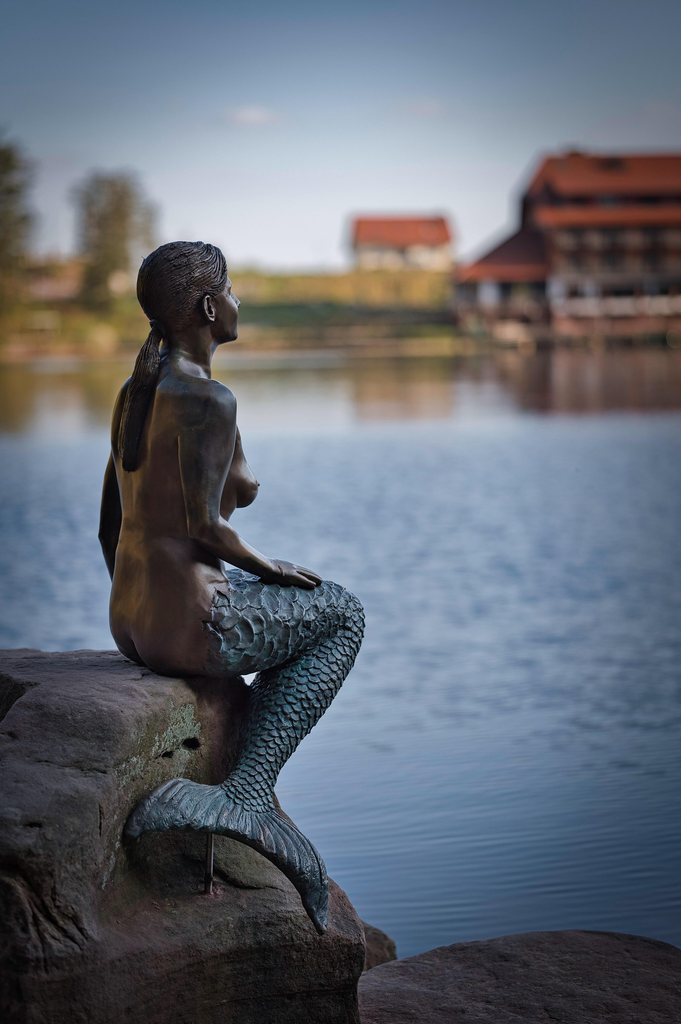
A mermaid becomes much more interesting when we start wondering about her world.
21. The original Little Mermaid is very different from Ariel
If you know The Little Mermaid mainly through Disney, Andersen’s version may surprise you.
The original fairy tale is more melancholy and explores longing, sacrifice, love and the desire to become part of another world.
It isn’t simply a story about a cheerful mermaid who wants to see what is on land.
22. Andersen’s mermaid cannot simply speak her way into the human world
In the original tale, the mermaid’s transformation involves a painful sacrifice.
She loses her voice when she takes the magical potion that gives her human legs.
That makes her journey considerably more serious than the version many children know.
23. Disney’s Ariel is a later interpretation
Disney’s Ariel belongs to the modern world of animated film. She is inspired by Andersen’s story but is not the same character.
This is actually one of the wonderful things about mermaids:
the same basic idea can become a completely different story in different hands.
24. The mermaid has survived because artists keep reinventing her
A mermaid can be a fairy-tale heroine in one century and a fashion inspiration in another.
She can appear in a painting, a children’s book, a movie, a costume, a swimming performance or a digital illustration.
The character survives because she isn’t trapped in one version.
The Things That Make a Mermaid Feel Like a Mermaid
25. The tail does most of the storytelling
You can remove the shell necklace. You can remove the pearls.
You can change the hair. even change the colors of its. But give a character a fish tail and suddenly we understand.
Mermaid.
It is probably the strongest visual symbol attached to the creature.
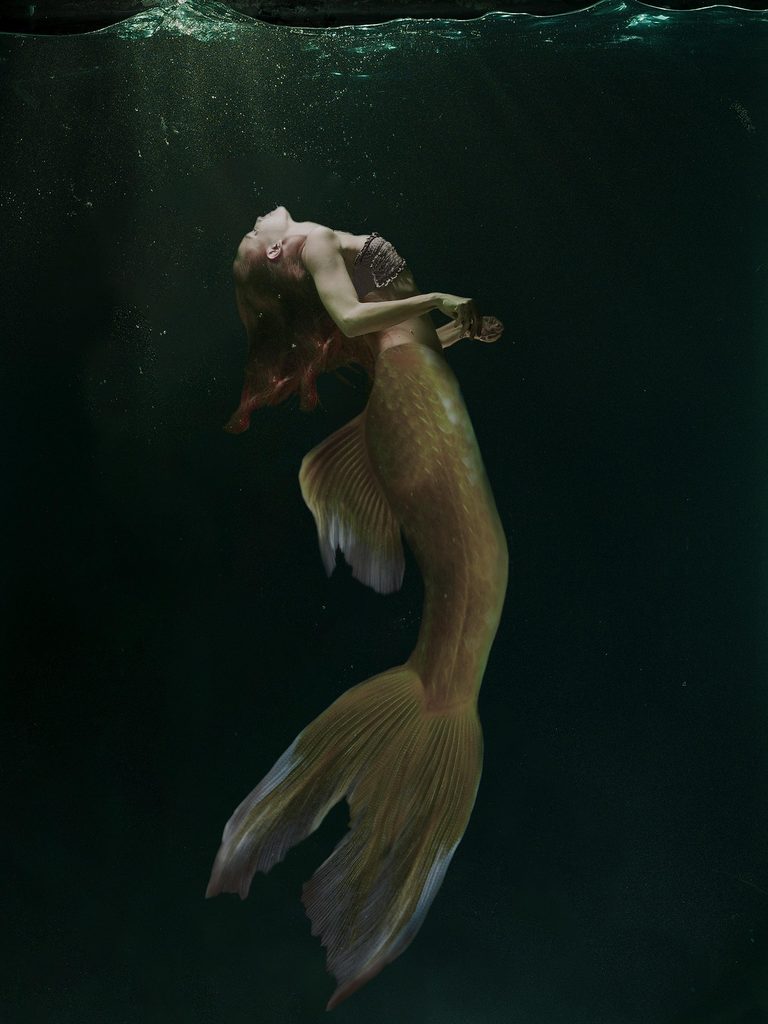
26. Mermaid tails don’t have to be blue
This is where artists can have fun.
A mermaid tail could be turquoise, green, purple, pink, silver, gold or rainbow. There is no official mermaid color chart.
The ocean itself isn’t only blue anyway. Look closely and you’ll find coral colors, greens, purples, silvers and dozens of changing shades.
27. Pearls became part of the mermaid look
Pearls and mermaids seem almost made for each other. They suggest something precious hidden beneath the sea.
They also add a soft, elegant quality to mermaid art, jewelry, costumes and decoration
28. Shells became another mermaid signature
Shells are everywhere in modern mermaid-inspired design.
A shell can be a piece of jewelry, a decoration, a pattern, a treasure, or simply something a mermaid has collected while exploring the shore.
Sometimes one tiny shell is enough to suggest an entire ocean.
29. Flowing hair makes the picture feel underwater
Mermaid illustrations often give the character long, flowing hair.
There’s a practical artistic reason for this. Hair floating in water creates movement.
Even if the mermaid is perfectly still, her hair can make the whole picture feel alive.
30. There is no official mermaid hairstyle
And why should there be? Short hair can look wonderful on a mermaid.
So can curls. Braids,. ,Long flowing hair.,Wild hai,. Colorful hair.
A fantasy creature doesn’t need to follow a fashion rulebook.
The Mermaid We Create in Our Imagination
31. There isn’t one “correct” way to draw a mermaid
This is one of my favorite things about mermaid art.
One artist may create a realistic underwater woman. Another may draw a tiny cartoon character. Someone else may create a dark sea queen.
Another artist may make a pastel-colored mermaid surrounded by flowers and shells.
They’re all mermaids.
32. Mermaids can be cute without losing their magic
Not every mermaid has to look mysterious or elegant.
Cute mermaids have become a huge part of modern children’s art, stationery, crafts and decorations.
Big eyes, bright colors, tiny tails and cheerful expressions can turn the mysterious sea creature into a friendly character.
33. Mermaids can be beautiful without being realistic
Fantasy art doesn’t need to obey nature. A tail can shimmer like a gemstone.Hair can glow.
A reef can have impossible colors. An underwater castle can look like something from a dream.
That freedom is one of the pleasures of drawing fantasy.
34. A mermaid’s world can be almost anything
Perhaps she lives in a coral palace or lives in a quiet cave.
Maybe her home is inside a shipwreck. Maybe she has a garden made from glowing sea plants.
Maybe there is an underwater village where merfolk trade treasures and tell stories.
There is no official map.
That’s the fun.
35. A mermaid treasure chest doesn’t have to contain gold
Imagine finding a mermaid’s treasure chest.
Would it contain coins? Maybe.
But perhaps it contains a pearl given to her by a friend.
A tiny piece of sea glass.
An old key from a sunken ship.
A shell she found as a child.
A letter from someone who lives on land.
The most interesting treasure is often the thing that has a story behind it.
The Mermaid Comes Into Real Life
36. People actually perform as mermaids today
Modern mermaiding has turned fantasy into a real-world creative activity.
Performers and swimmers can use specialized tails to create the appearance of being mermaids in water.
It combines swimming, performance, costume and imagination.
The mythical creature has, in a sense, stepped out of the storybook.
37. Underwater photography can make mermaids look almost real
Put a performer underwater.
Add a tail.
Let the hair and fabric move naturally. Bring in sunlight filtering through the surface.
Suddenly you have an image that can look like it belongs to another world.
Water itself becomes part of the special effect.
38. Mermaid costumes aren’t just for children
Mermaid costumes can be playful, elegant, dramatic, funny or completely fantastical. Children may wear them for parties.
Adults may use them for performances, photography, events or simply because dressing as a mermaid sounds like fun.
There really is no age limit on imagination.
39. Mermaid parties can become little underwater adventures
A mermaid party doesn’t have to be a table covered in blue decorations. It could have a story. Perhaps a treasure has disappeared. Guests receive clues.
There is a secret map. A craft activity reveals another clue. At the end, the missing treasure is found.
The decoration creates the atmosphere, but the story creates the memory.
40. A mermaid bedroom doesn’t need to look like an aquarium
You can create a mermaid feeling without covering everything in cartoon characters.
A few carefully chosen colors can do a lot: aqua,, turquoise,s oft blue, pearl white, coral, lavender, or shimmering silver.
Add some ocean-inspired artwork, shells or subtle textures and suddenly the room feels different.
Why Do People Love Mermaids So Much?
41. Mermaids let us imagine living underwater
This may be the simplest answer.
Humans live on land. Mermaids don’t. They give us a fantasy version of another life.
Instead of walking down a street, imagine swimming through a coral garden.
Instead of opening a window, imagine looking through the water toward sunlight.

Instead of hearing traffic, imagine the quiet sound of bubbles and moving water.
It is a very appealing escape.
42. A mermaid belongs to two worlds
Land and sea. Human and fish. Known and unknown.
That’s a powerful combination.
The mermaid can understand the human world while still belonging somewhere completely different.
That gives writers and artists endless possibilities.
43. Mermaids give artists an excuse to play with color
Few fantasy subjects offer such freedom.
You can combine ocean blue with coral pink. Purple with turquoise. Silver with pearl white.
Green with gold. Or forget the expected colors completely.
A mermaid is a wonderful subject for experimenting with palettes.
44. Mermaids fit naturally into creative hobbies
Think about how many things can carry a mermaid theme:
drawing, painting, coloring, crafts, journaling, photography, costume design, party planning, room decorating, storytelling, swimming ,and digital art.
The mermaid isn’t only a character.
She can become a creative starting point.
45. Mermaids can be part of everyday life
You don’t need to own a tail or live near the ocean to enjoy the mermaid world.
A notebook with an ocean-inspired cover. nice shell collection, beautiful mermaid illustration on the wal, one favorite fantasy novel, also a handmade decoration or even a colorful piece of jewelry.
Sometimes a small detail is enough to bring a little bit of that underwater feeling into an ordinary day.
The Mermaid Beyond the Fairy Tale
46. Modern mermaids are not limited to old folklore
The mermaid has moved far beyond mythology.
Today she appears in fashion, art, entertainment, children’s activities, home decoration, swimming, photography and online creative communities.
She has become something bigger than a folklore character and even a visual language for fantasy.
47. Mermaidcore brought ocean fantasy into fashion and lifestyle
Modern “mermaidcore” uses elements associated with mermaids and the sea—shimmering fabrics, pearls, shells, aquatic colors, iridescent surfaces and flowing shapes.
You don’t have to dress as a mermaid to enjoy the aesthetic.
Sometimes a little shimmer is enough.
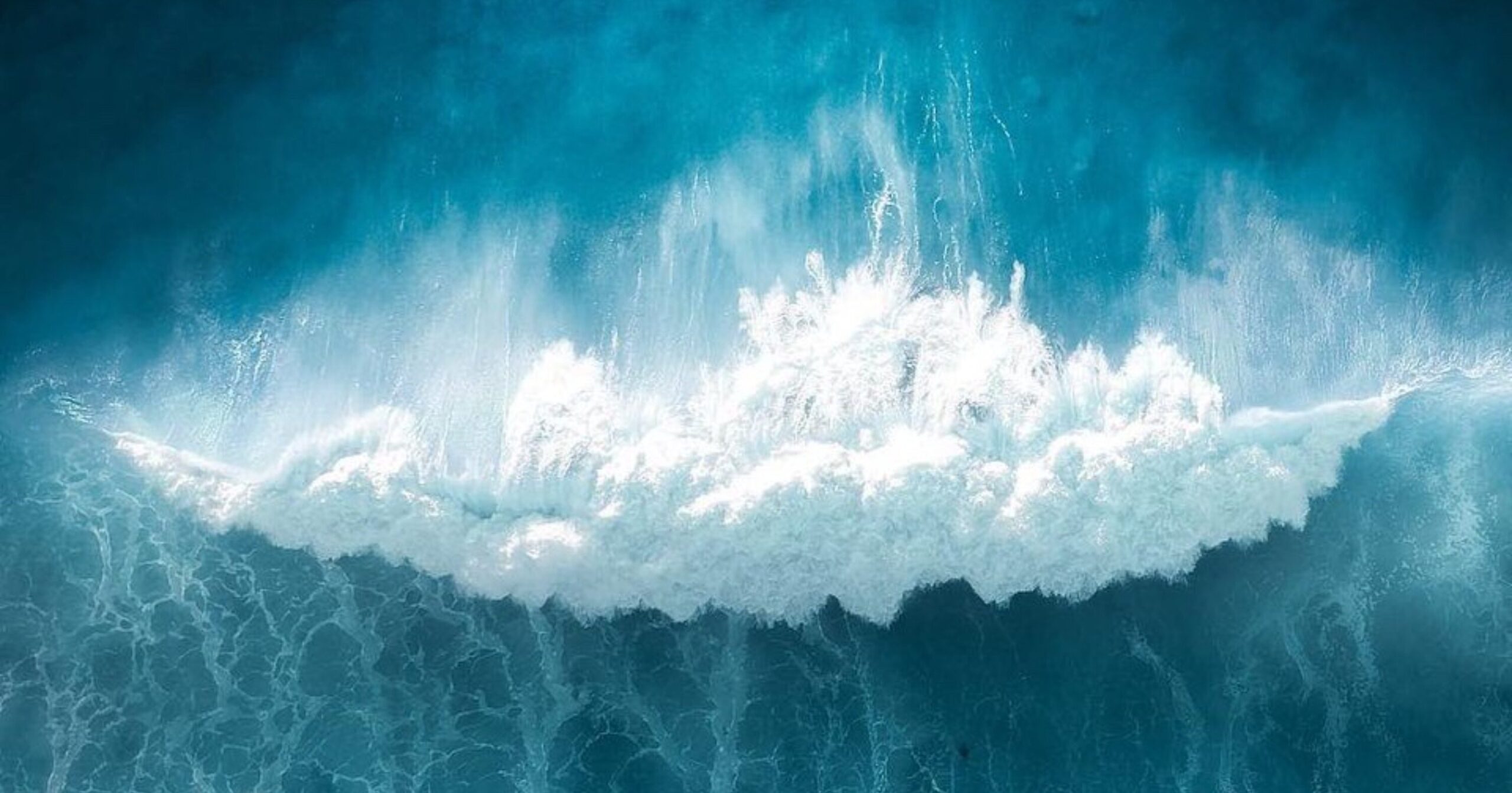
48. Real ocean life can be more magical than fantasy
This is something worth remembering whenever we talk about mermaids.
The real ocean already contains creatures that seem impossible.
Seahorses., Manta rays, Octopuses,. Sea turtles,. Jellyfish,. Leafy sea dragons,. Bioluminescent organisms.
You don’t need to invent everything.
Sometimes nature has already done the most imaginative work.
49. Mermaid stories can remind us to care about the real ocean
The mythical mermaid may not be real.But the ocean is certainly there always.
And the real creatures living there face very real problems.
The Smithsonian’s discussion of mermaids and manatees points out that manatees and dugongs face threats including boat strikes, fishing gear and habitat-related dangers.
Perhaps there is something lovely about letting a fantasy creature lead us back toward appreciation for the real sea.
50. The mermaid keeps changing because we keep imagining her
And here we are, centuries later, still talking about her.
People are still drawing mermaids.writing stories. making costumes.swimming in tails. decorating bedrooms.planning mermaid parties. creating underwater kingdoms and still wondering what might be hiding beneath the surface.
The mermaid survived because she was never just one thing.
She has been a myth, a warning.a fairy-tale character, work of art, movie heroine, costume.creative hobby, childhood memory or a fantasy.
And sometimes, simply, a beautiful idea.
Maybe that’s why she continues to call us back to the water.
There is always something we haven’t imagined yet.
A Little Mermaid Thought Before You Go
Maybe you came here because you already love mermaids.
Maybe you’re just curious. Maybe you love the ocean more than the mermaid herself.
Or perhaps you saw a shimmering tail somewhere and wondered what all the fascination was about.
Whatever brought you here, there is something wonderful about having a little space in life for imagination.
You can learn about the old legends.
You can enjoy the stories.
You can create your own mermaid art.
You can make something with your hands.
You can decorate a room.
You can dress up.
You can swim.
You can write.
You can simply sit beside the sea and wonder.
There doesn’t have to be a reason.
Sometimes it is enough to love the magic.
And if you’ve come this far, perhaps you’re ready to explore a little deeper.
Welcome to Mermaid Ways.